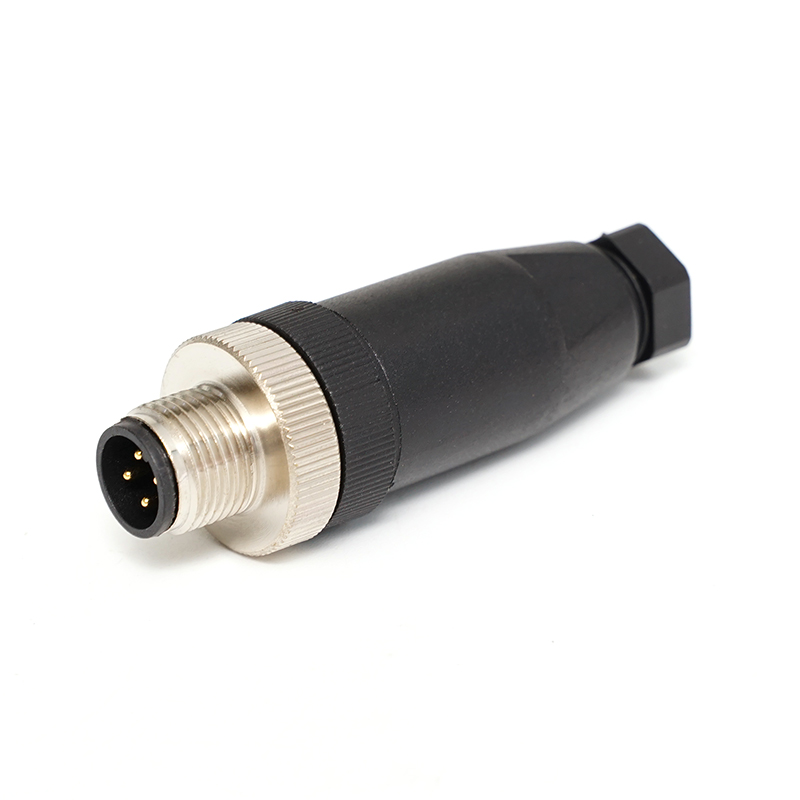
KRX05
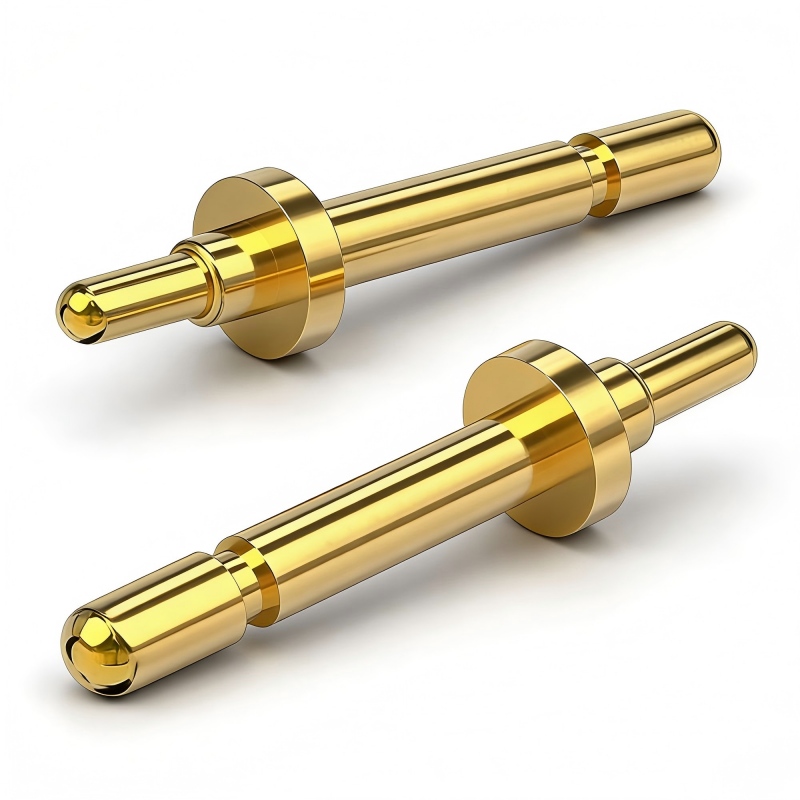
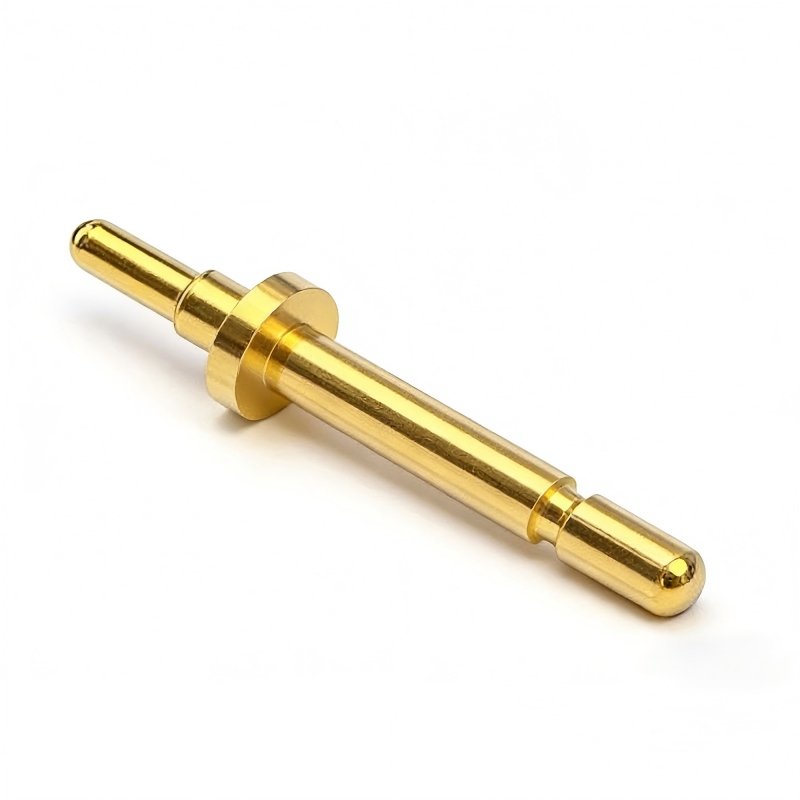
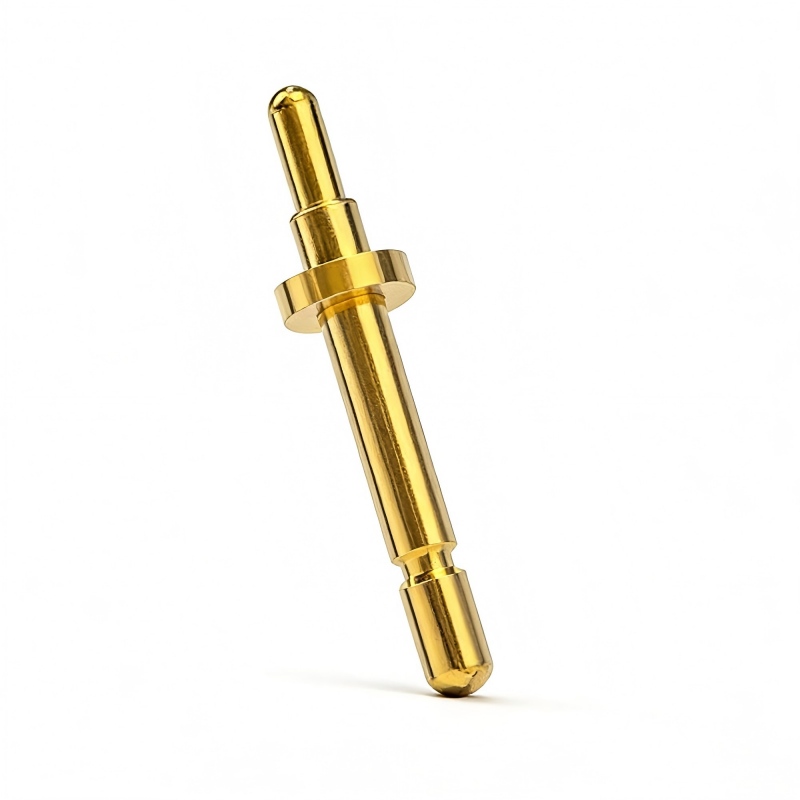
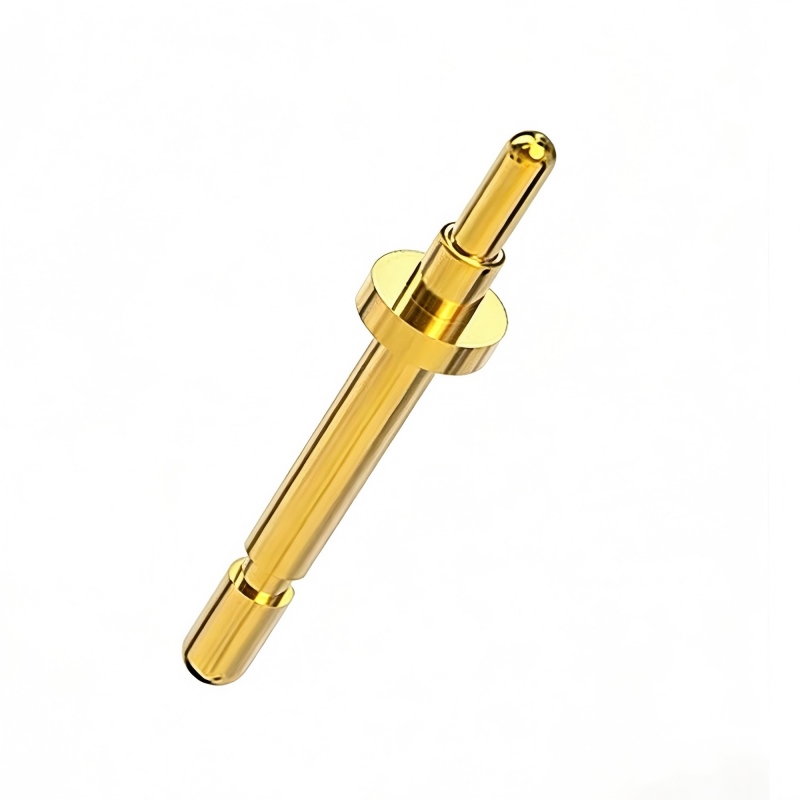
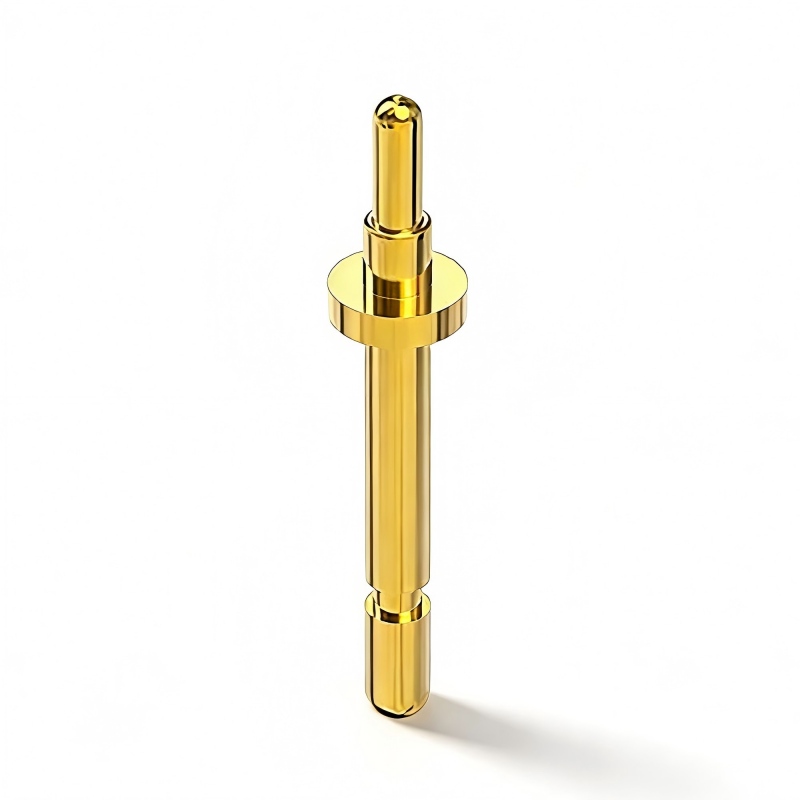
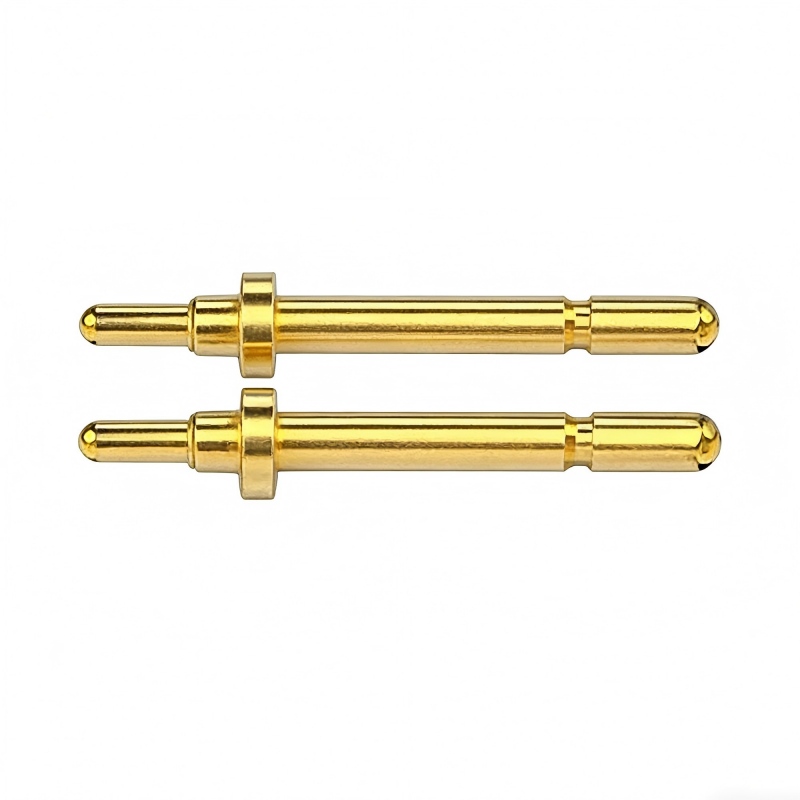
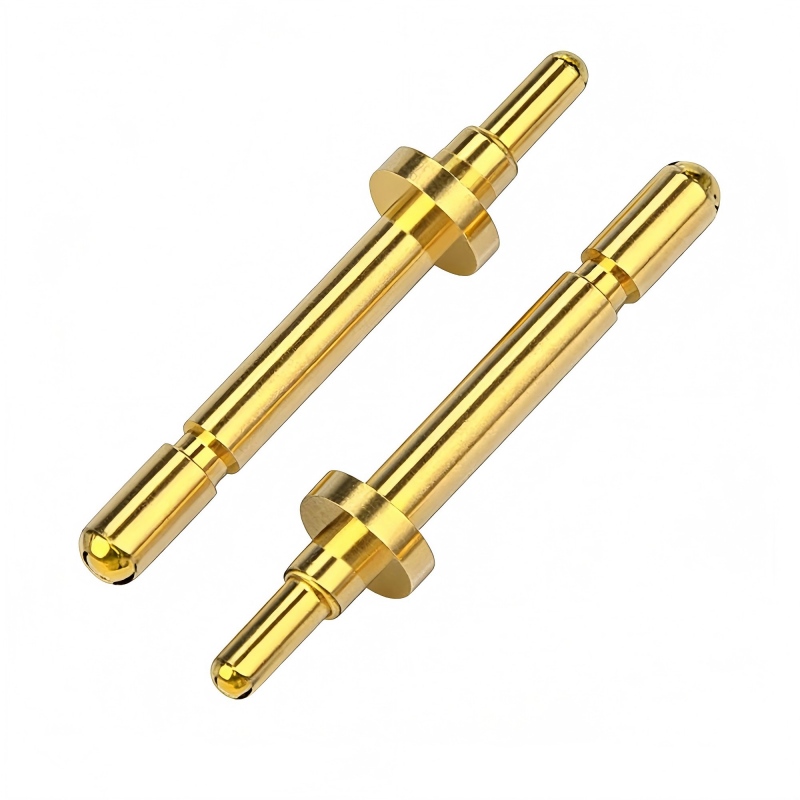
- Flange Positioning Design: The integrated flange structure locks the pin firmly into the connector housing, preventing axial movement or loosening under vibration, shock, or repeated plugging.
- Superior Electrical Conductivity: High-quality brass/phosphor bronze base material with precision gold plating ensures low contact resistance and stable signal transmission, even in high-frequency or high-power applications.
- Precision Machining: Strict dimensional tolerance control (±0.01mm) guarantees consistent size and seamless mating with female sockets, ensuring reliable electrical contact.
- Durable & Corrosion-Resistant: Gold plating provides excellent anti-oxidation and anti-corrosion performance, extending service life to ≥10,000 mating cycles and adapting to harsh operating environments.
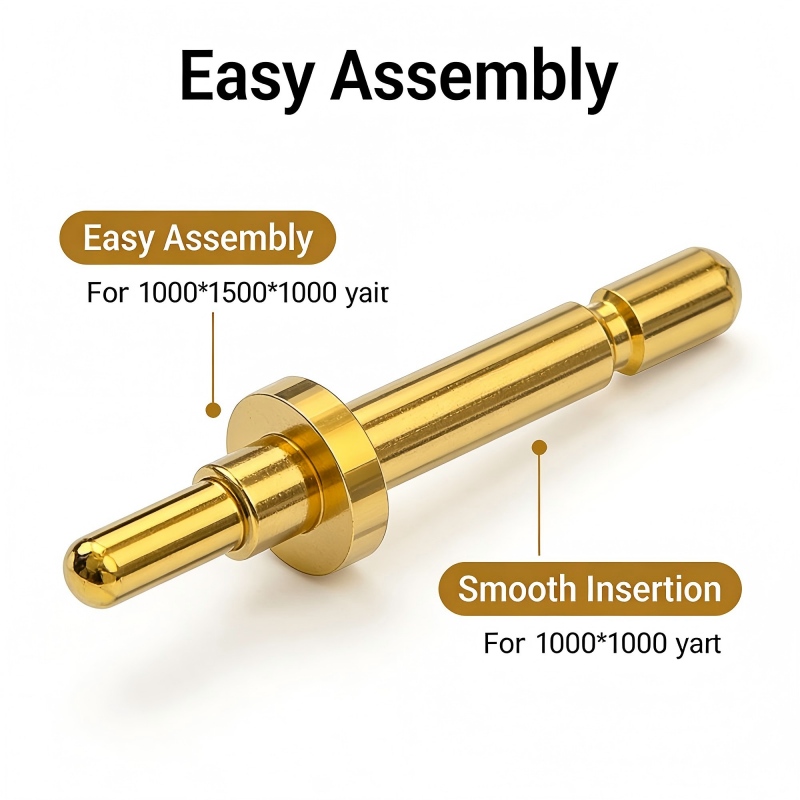
- Easy Assembly: The rounded pin tip enables smooth insertion into sockets, reducing assembly difficulty and improving efficiency.
- Customizable Specifications: Fully customizable in pin diameter, total length, flange size, and gold plating thickness to match specific connector design requirements.
-
1.Pre-Assembly Preparation:
Inspect the pin for surface defects (scratches, plating damage, deformation) and ensure its size matches the corresponding female socket and connector housing.
Verify that the pin diameter and flange size fit the connector housing hole to avoid assembly issues.
Prepare tools: precision crimping tool (for socket connection), low-temperature solder (≤260℃), anti-static gloves, and cleaning cloth.2.Crimping (Recommended):
Strip wire insulation to 2~3mm without damaging the conductor.
Insert the stripped wire into the hollow female socket, aligning it with the side hole.
Use a precision crimping tool to compress the socket, ensuring a tight mechanical and electrical bond (avoid over-crimping to prevent socket deformation).3.Soldering (Optional):
Insert the stripped wire into the socket’s side hole.
Use low-temperature solder (≤260℃) to secure the connection; wipe off residual flux with a cleaning cloth after soldering to prevent corrosion.4.Assembly into Connector Housing:
Align the flange of the pin with the corresponding groove in the connector housing.
Gently press the pin into the housing until the flange locks into place (listen for a slight “click” sound). Do not use excessive force to avoid pin bending or housing damage.5.Mating & Disconnection:
Mating: Align the pin tip with the female socket and insert smoothly to ensure full contact.
Disconnection: Pull the pin and socket straight back to separate them; avoid applying side stress to prevent pin bending or tip damage.6.Storage & Maintenance:
Store the pin in a dry, dust-free, and anti-corrosive environment. Avoid direct sunlight and high humidity.
Regularly inspect the pin for plating damage, deformation, or loose connections. Replace defective parts immediately to avoid electrical failure.7.Safety Precautions:
Wear anti-static gloves during handling to prevent electrostatic discharge (ESD) damage to sensitive electronic components.
Do not exceed the rated current/voltage to avoid overheating, insulation breakdown, or electrical failure.
Keep the pin away from children and avoid accidental ingestion or injury.
Use the pin in accordance with application requirements; do not use it in flammable, explosive, or highly corrosive environments unless specifically customized.
| Parameter | Typical Value / Customizable Range |
| Base Material | Brass / Phosphor Bronze (CuSn / CuZn) |
| Surface Treatment | Gold Plating (Au), thickness 0.2~1.0μm (customizable) |
| Pin Type | Solid male pin with flange positioning |
| Pin Diameter | 1.0~3.0mm (customizable) |
| Total Length | 10~50mm (customizable) |
| Flange Diameter | Customizable (matches connector housing hole size) |
| Dimensional Tolerance | ±0.01mm |
| Rated Current | 3~20A (depends on pin diameter) |
| Rated Voltage | 30~500V AC/DC |
| Operating Temperature | -40℃ ~ +125℃ |
| Mating Cycles | ≥10,000 times |

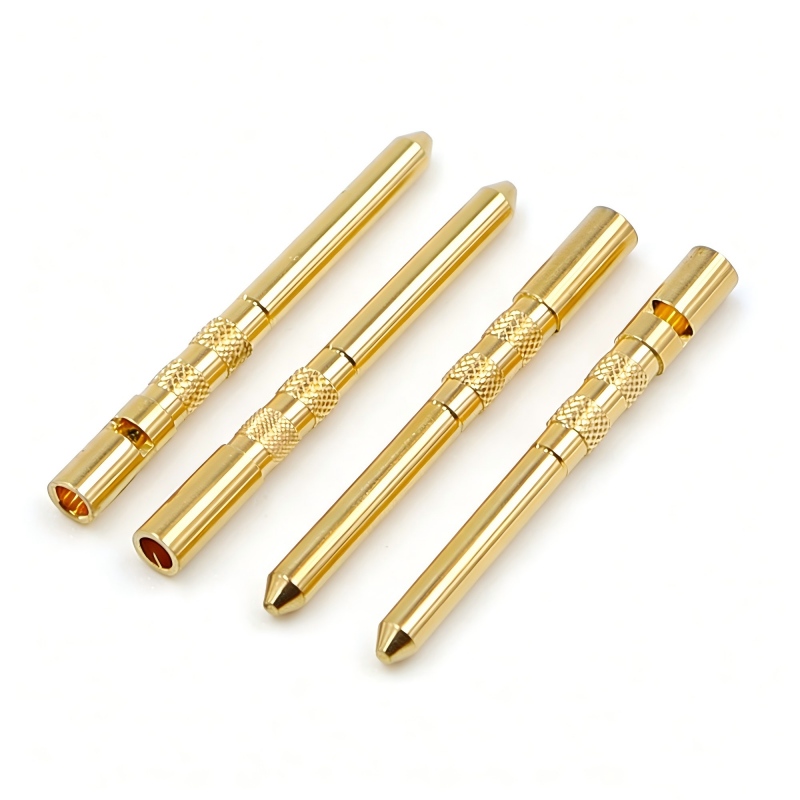
KRX01
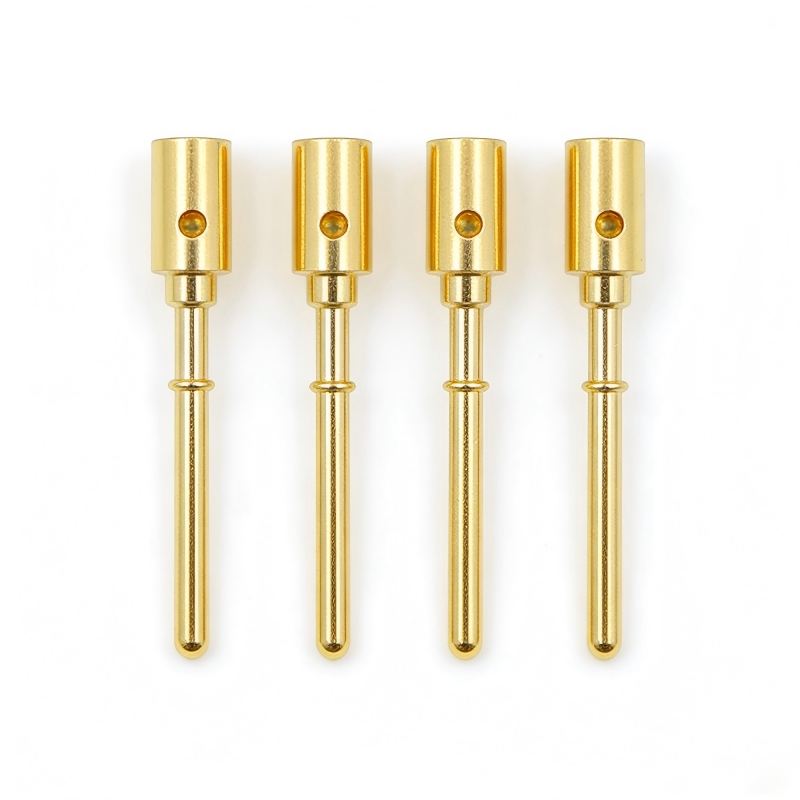
KRX02
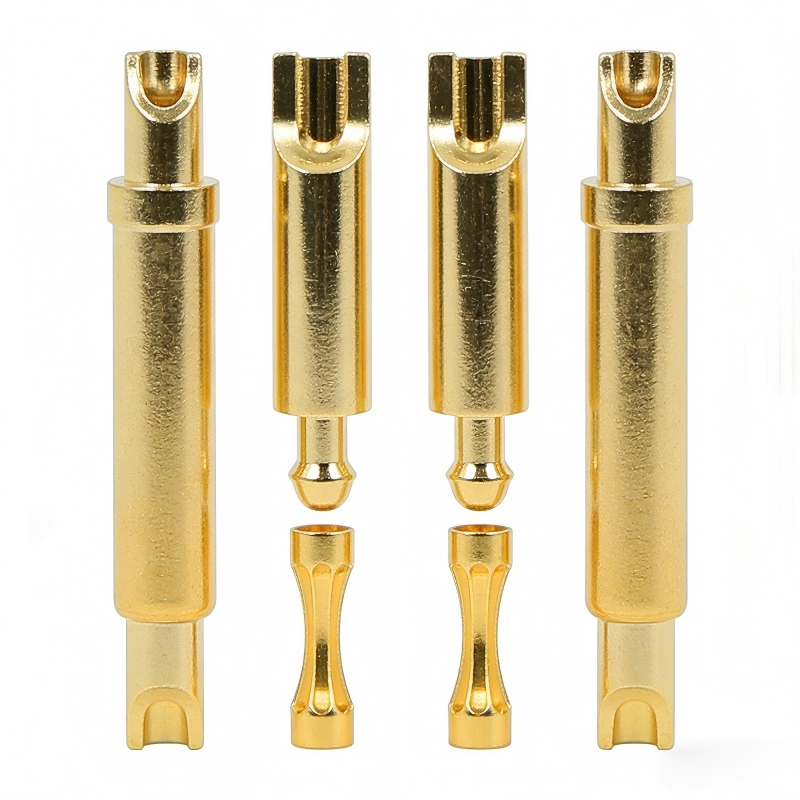
KRX03
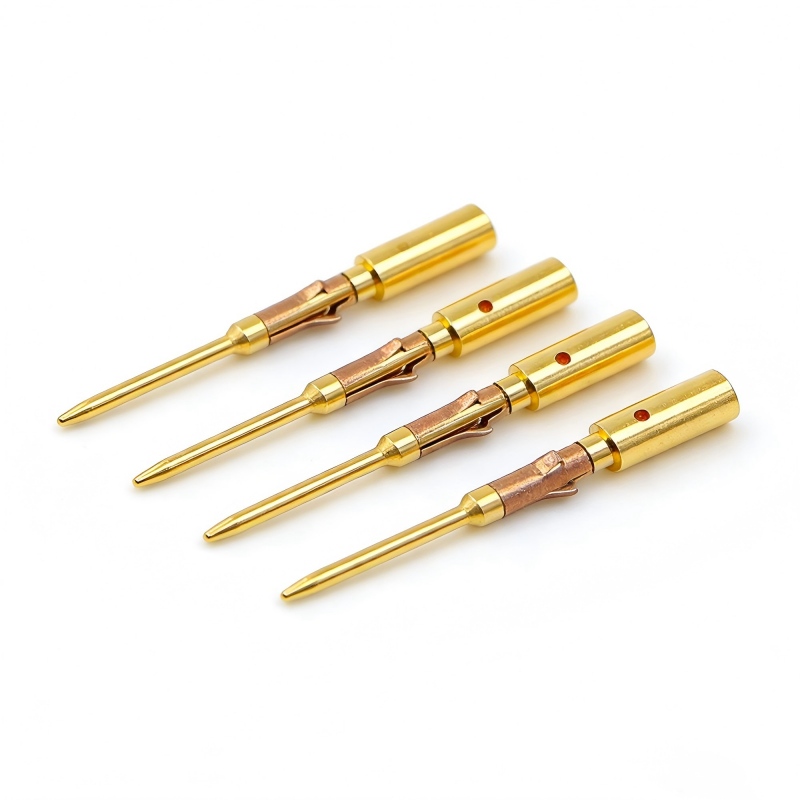
KRX04

KRX06
News & Announcements
Recent Articles
 21st May 2025
Corecon Successfully Launches New Energy High-Voltage Connector Series, Adapting to 800V Platform Trends
 21st May 2025
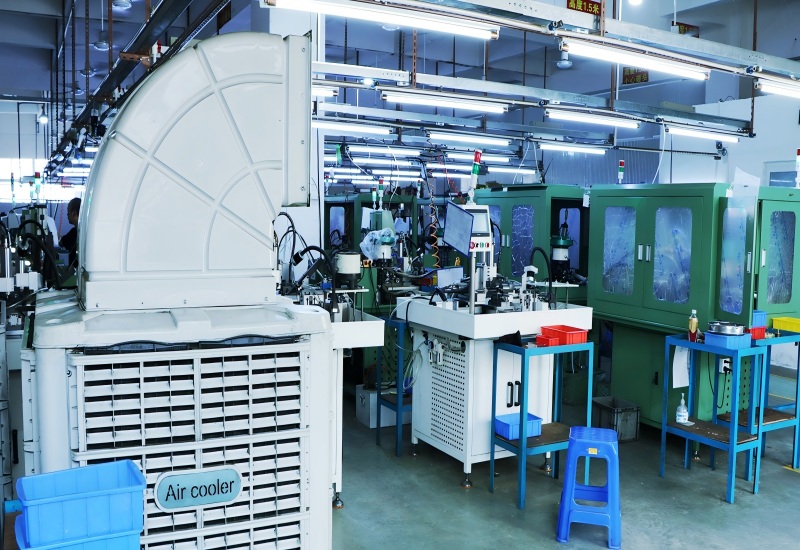
Corecon Expands Production Capacity, Upgrades Intelligent Production Line to Improve Efficiency
 21st May 2025
Corecon Obtains Multiple Core Patents, Strengthening Independent R&D Core Competitiveness
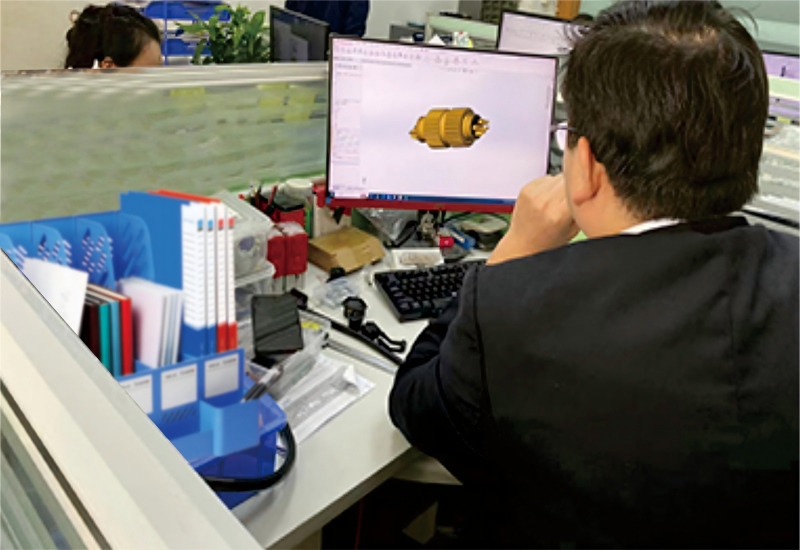 21st May 2025
Corecon Signs Strategic Cooperation Agreement with a Global New Energy Enterprise
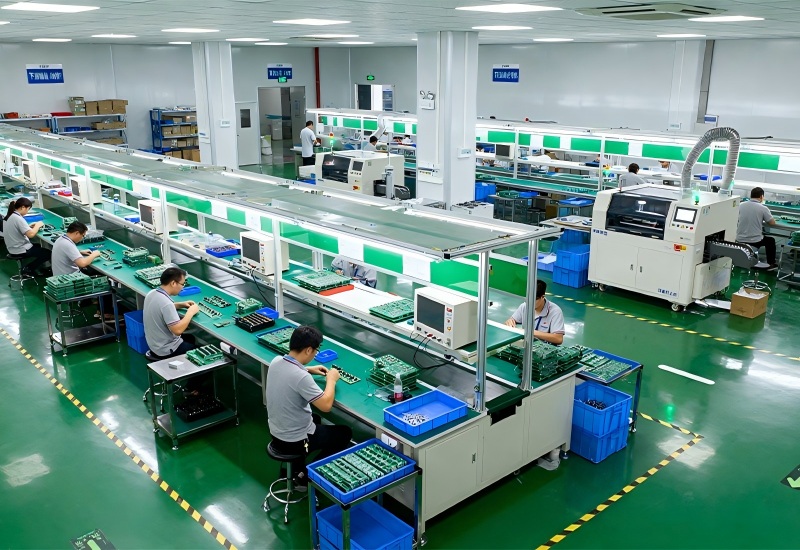 21st May 2025
Corecon Passes EU CBAM Certification, Opening Up the European High-End Market
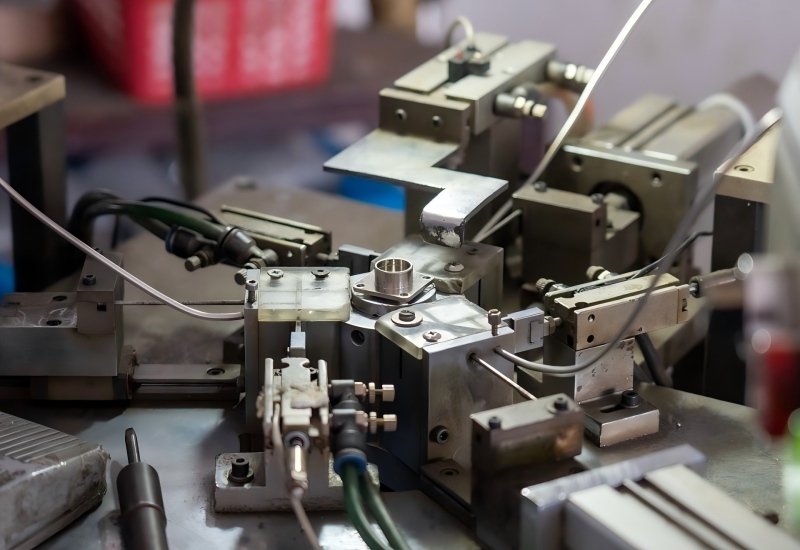 21st May 2025
Global EV Connector Market to Grow at 16.48% CAGR, Driven by Electrification Wave
Service Service Service Service Service Service Service Service
Our Service

High-Precision Pogo Pin & Wire Harness Solution for Smart Wearable Devices

CNC Precision Parts & Connector Solution for Industrial Automation

High-Voltage Connector & Wire Harness Solution for Energy Storage Systems

Miniature Connector & CNC Parts Solution for Consumer Electronics

Save The Environment: Green Manufacturing & Compliant Solutions
Corecon adopts green manufacturing processes (60% less carbon emissions) and eco-friendly materials. Our energy storage solutions comply with EU CBAM & ESG standards, minimizing environmental impact and promoting low-carbon development.
Save Money: Efficient, Durable & Cost-Optimized Solutions
Our solutions cut costs: 30% shorter R&D cycles via one-stop OEM/ODM, 99.8% pass rate reducing waste, durable products (pogo pins, connectors) lowering maintenance costs, and modular design reducing integration expenses.
Corecon: Your Partner for Green & Cost-Effective Interconnection
With our full product system and green solutions, Corecon helps you achieve cost savings and environmental protection dual goals, creating long-term value and contributing to global sustainability.

Environmental Sensitivity

Performance Measures