Carbon Footprint Becomes a Core Competitiveness for Connector Manufacturers in 2026
-
- 31st March 2026
Feb 09, 2026 – As global environmental policies tighten, carbon footprint has emerged as a critical competitive factor for the connector industry in 2026. The EU’s Carbon Border Adjustment Mechanism (CBAM) and new battery regulations require all connectors entering the EU market to provide complete carbon footprint reports, with non-compliant products facing high tariffs or market bans. Domestically, China’s “dual carbon” goals and the improving ESG rating system are also pushing downstream customers to include carbon emission indicators in their procurement standards.
To adapt to this trend, leading enterprises are accelerating green transformation, focusing on full-life-cycle carbon management from material selection to recycling. Innovations include the large-scale application of bio-based plastics, high-purity recycled metals, and degradable composites, which not only reduce carbon emissions but also maintain or improve product performance. For example, regenerated copper connectors can reduce smelting carbon emissions by 80% while enhancing transmission efficiency, and bio-based plastic connectors can cut carbon emissions by 60%-70% without compromising mechanical properties.
For Corecon, which provides OEM/ODM services for industrial and new energy connectors, integrating green materials and low-carbon manufacturing processes into its production system will be key to expanding global market access. With its professional R&D team and 3 million+ RMB investment in quality inspection, Corecon is well-equipped to develop low-carbon connectors that meet EU CBAM requirements and domestic ESG standards, thereby maintaining its competitiveness in the high-end segment.

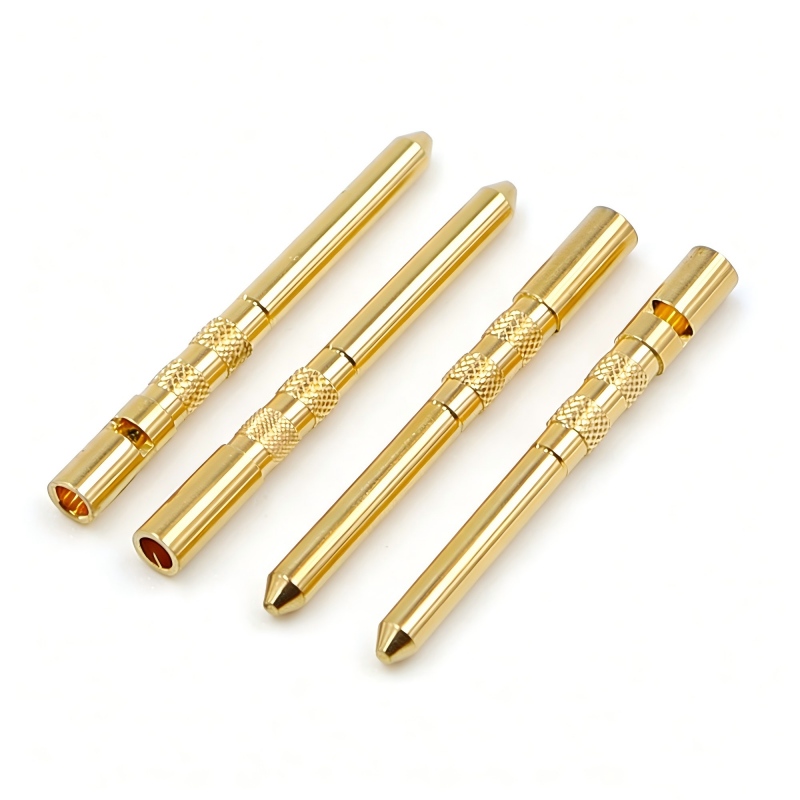
KRX01
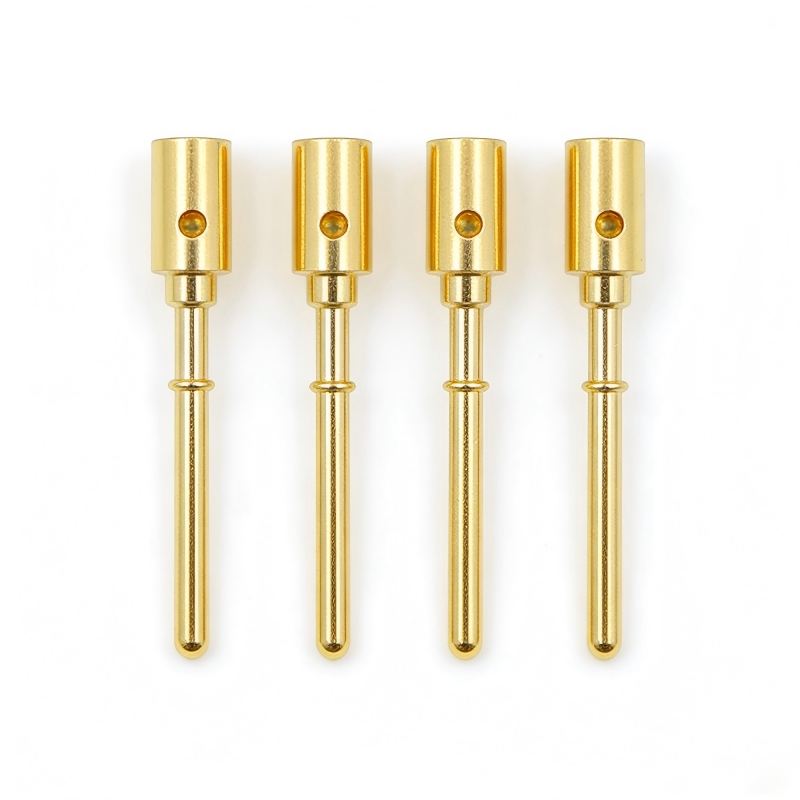
KRX02
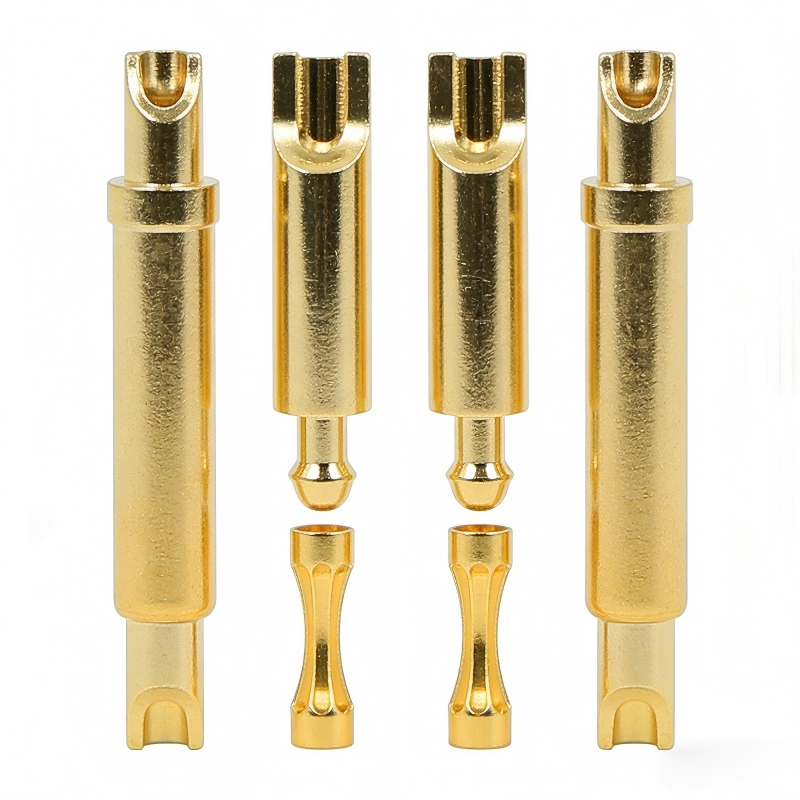
KRX03
KRX04
KRX05

KRX06

Save The Environment: Green Manufacturing & Compliant Solutions
Corecon adopts green manufacturing processes (60% less carbon emissions) and eco-friendly materials. Our energy storage solutions comply with EU CBAM & ESG standards, minimizing environmental impact and promoting low-carbon development.
Save Money: Efficient, Durable & Cost-Optimized Solutions
Our solutions cut costs: 30% shorter R&D cycles via one-stop OEM/ODM, 99.8% pass rate reducing waste, durable products (pogo pins, connectors) lowering maintenance costs, and modular design reducing integration expenses.
Corecon: Your Partner for Green & Cost-Effective Interconnection
With our full product system and green solutions, Corecon helps you achieve cost savings and environmental protection dual goals, creating long-term value and contributing to global sustainability.

Environmental Sensitivity

Performance Measures